
Premium Textile: The Foundation of Luxury and Lasting Quality
In the world of fashion, interiors, and industrial design, the role of high-quality materials cannot be overstated. Among these materials, premium textile stands out as the cornerstone of sophistication, durability, and refined craftsmanship. From luxury clothing collections to upscale home furnishings, the demand for superior fabrics continues to grow as consumers become more conscious about quality and sustainability. A carefully crafted premium textile not only enhances the appearance of a product but also elevates its performance and longevity.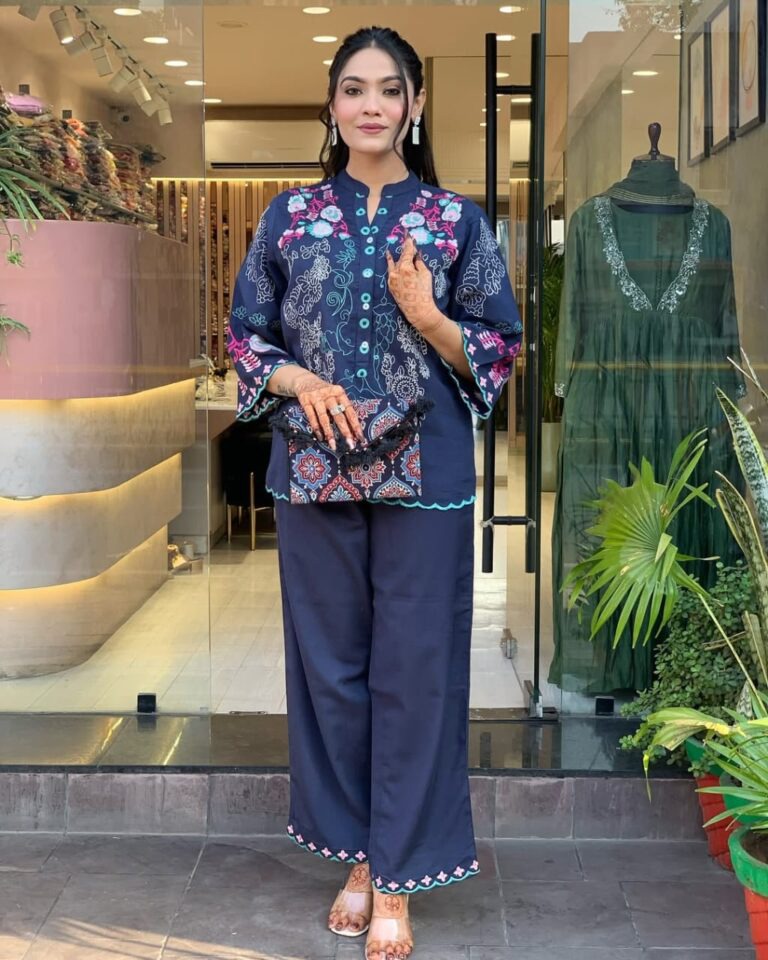
Textiles have evolved significantly over centuries, shaped by innovation, cultural influences, and technological advancements. Today, the definition of premium textile goes beyond softness and appearance; it includes ethical sourcing, advanced weaving techniques, and long-term durability. Buyers are no longer satisfied with materials that simply look attractive—they seek fabrics that feel exceptional, last longer, and align with their values.
What Defines Premium Textile Quality?
Understanding what sets a premium textile apart requires examining several essential factors. First, raw material selection is crucial. The finest cotton, pure silk, high-grade wool, and responsibly sourced linen are often used to create fabrics that meet the highest standards. The journey of a premium textile begins at the fiber level, where strength, fineness, and purity determine overall quality.
Second, craftsmanship plays a defining role. Advanced weaving, knitting, or finishing processes transform raw fibers into refined fabrics. Skilled artisans and modern technology work together to ensure consistency and precision. This careful production process ensures that each premium textile maintains its texture, structure, and color integrity over time.
Third, durability is a hallmark of excellence. Unlike mass-produced materials that may fade or weaken after repeated use, a well-produced premium textile resists wear and tear. It retains its softness and appearance even after multiple washes or prolonged use, making it a worthwhile investment for both consumers and businesses.
Sustainability has also become a critical component of high-end materials. Many manufacturers now focus on eco-friendly production methods, minimizing water usage, reducing chemical treatments, and ensuring fair labor practices. As a result, the modern premium textile industry reflects a balance between luxury and responsibility.
The fashion industry relies heavily on superior fabrics to create garments that stand out in both design and performance. Designers understand that even the most innovative silhouette cannot compensate for poor-quality material. A premium textile enhances drape, structure, and comfort, allowing clothing to move naturally with the body. Whether used in tailored suits, evening gowns, or casual wear, the right fabric defines the final look and feel.
Beyond fashion, interior design greatly benefits from high-grade materials. Upholstery, curtains, bedding, and decorative accents crafted from premium textile offer both elegance and durability. These fabrics often feature refined textures, intricate patterns, and fade-resistant properties that maintain their beauty for years. Homeowners and designers alike value materials that combine aesthetics with practicality.
Technological advancements have further expanded the possibilities of textile manufacturing. Innovative treatments now improve stain resistance, moisture control, and temperature regulation. These functional enhancements add value without compromising luxury. A modern premium textile can offer breathability, wrinkle resistance, and enhanced comfort, meeting the demands of contemporary lifestyles.
Another essential characteristic of superior fabrics is their tactile experience. Texture significantly influences consumer perception. When individuals touch a finely woven material, they immediately recognize the difference in smoothness and density. This sensory appeal is a key reason why premium textile products command higher prices in the market. The experience of quality goes beyond visual appeal; it creates an emotional connection.
Color retention and vibrancy are also vital considerations. High-end dyeing techniques ensure that shades remain rich and consistent over time. Fading or uneven coloring can quickly diminish the value of a product. In contrast, a carefully dyed premium textile maintains its brilliance, even with exposure to sunlight or frequent cleaning.
Maintenance requirements often reflect the superiority of the fabric. While some luxury materials may require delicate care, their longevity justifies the effort. Proper storage, cleaning, and handling preserve the structural integrity of premium textile products, allowing them to maintain their refined appearance for extended periods.
The global market for high-quality fabrics continues to expand as consumers prioritize investment pieces over disposable goods. Businesses that incorporate premium textile materials into their offerings often gain a competitive edge. Customers recognize and appreciate the difference in comfort, durability, and overall presentation. This growing awareness has encouraged brands to be more transparent about sourcing and production standards.
Economic value also plays an important role. Although initial costs may be higher, investing in premium textile materials often reduces long-term expenses. Products made from superior fabrics typically require less frequent replacement, making them more cost-effective over time. This combination of quality and value strengthens consumer trust and brand reputation.
Cultural heritage contributes significantly to the evolution of fine fabrics. Traditional weaving techniques, passed down through generations, continue to inspire modern production methods. Regions known for their textile artistry often blend historical craftsmanship with contemporary innovation. This fusion preserves authenticity while meeting global quality standards.
As industries continue to evolve, the importance of material excellence remains constant. Whether in fashion runways, luxury hotels, corporate offices, or private homes, the presence of premium textile materials signals attention to detail and commitment to quality. These fabrics reflect not only aesthetic preferences but also a dedication to sustainability and durability.
In conclusion, the significance of premium textile extends far beyond surface beauty. It represents a combination of superior raw materials, expert craftsmanship, innovative technology, and responsible production practices. As consumers become more informed and discerning, the demand for high-quality fabrics will only increase. Choosing premium textile materials is not merely about luxury—it is about investing in performance, longevity, and timeless elegance.