

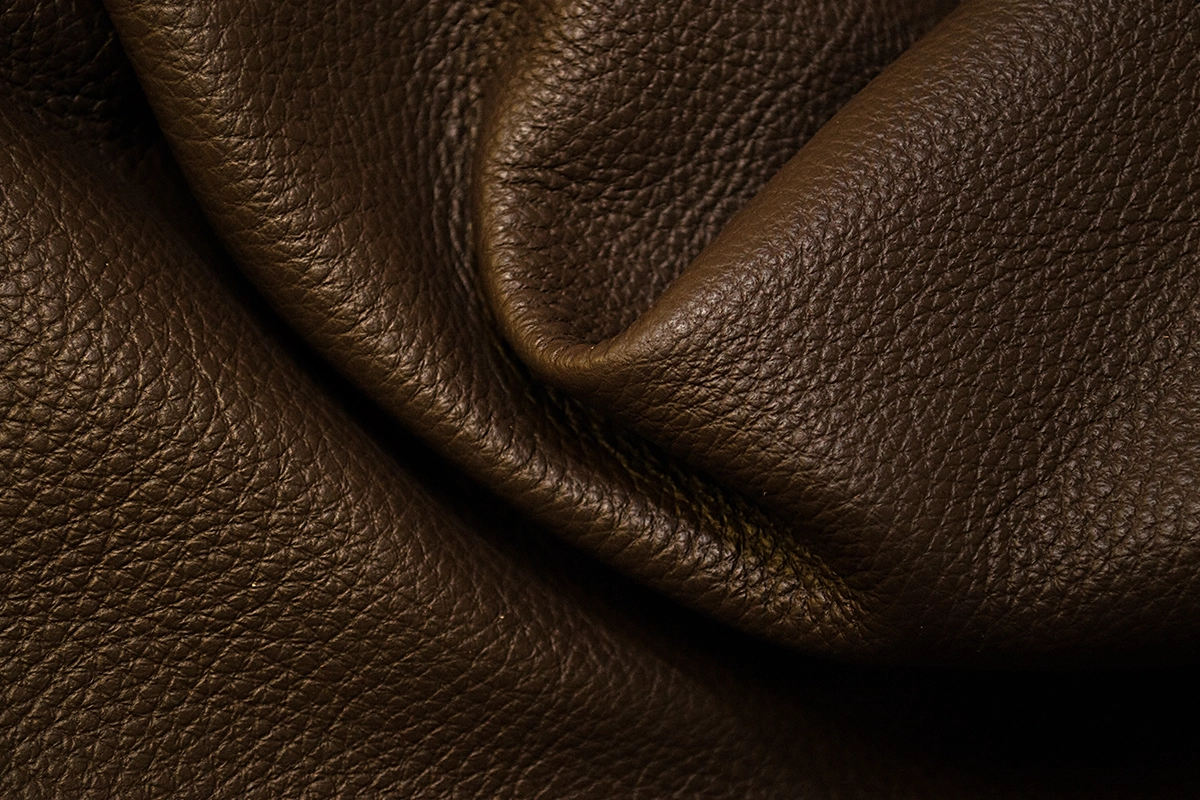
 Benefits of leather fabric, is one of the oldest and most valued materials used by human civilization. For thousands of years, it has been crafted into clothing, footwear, furniture, tools, and decorative items. Known for its durability, flexibility, and timeless appeal, leather continues to play a significant role in modern fashion, interior design, and industrial applications. Although often referred to as “leather fabric,” genuine leather is technically not a woven textile but a treated animal hide that undergoes a specialized process called tanning. This process transforms raw animal skin into a stable, long-lasting material suitable for various uses.
Origins and History of Leather
The history of leather dates back to prehistoric times when early humans used animal hides for protection against harsh weather conditions. Archaeological evidence suggests that ancient civilizations such as the Egyptians, Romans, Greeks, and Chinese used leather for clothing, armor, footwear, and even scrolls for writing. Over time, tanning methods evolved from simple drying and smoking techniques to more advanced vegetable and mineral tanning processes. Leather became a symbol of status and craftsmanship, especially during the Middle Ages, when guilds were formed to regulate leather production and maintain quality standards leather fabric
How Leather is Made
The production of leather involves several stages. First, animal hides—commonly sourced from cattle, sheep, goats, pigs, and exotic animals—are cleaned and preserved. The most critical step is tanning, which prevents the hide from decomposing and gives it strength and flexibility, leather fabric
There are two primary tanning methods:
- Vegetable Tanning – This traditional method uses natural tannins derived from tree bark, leaves, and fruits. Vegetable-tanned leather is known for its firm texture and ability to develop a rich patina over time. It is often used for belts, saddles, bags, and high-quality accessories.
- Chrome Tanning – This modern method uses chromium salts and is faster than vegetable tanning. Chrome-tanned leather is softer, more flexible, and more resistant to water and stains. It is widely used in fashion garments, upholstery, and automotive interiors.
After tanning, the leather is dyed, treated, and finished to achieve different textures, colors, and surface effects. Finishing may include polishing, embossing, or applying protective coatings. leather fabric
Types of Leather
Leather fabric comes in several grades and types, each with unique characteristics:
- Full-Grain Leather – The highest quality leather, made from the outermost layer of the hide. It retains the natural grain and imperfections, making each piece unique. It is strong, breathable, and develops a beautiful patina over time.
- Top-Grain Leather – Slightly sanded to remove imperfections, top-grain leather is smoother and more uniform than full-grain leather but slightly less durable.
- Genuine Leather – Despite its name, genuine leather is of lower quality than full-grain or top-grain leather. It is made from the remaining layers of the hide and often treated to resemble higher-grade leather.
- Bonded Leather – Made from leftover leather scraps bonded together with adhesives and finished with a polyurethane coating. It is less durable and more affordable.
- Suede – Created from the underside of the hide, suede has a soft, velvety texture. It is commonly used in jackets, shoes, and accessories.
- Nubuck – Similar to suede but made from the outer grain side of the hide, nubuck is sanded to create a soft, brushed surface, leather fabric
Each type serves different purposes depending on durability, appearance, and cost requirements.
Characteristics of Leather Fabric
Leather offers several distinctive properties:
- Durability – High-quality leather can last for decades with proper care.
- Flexibility – It becomes softer and more comfortable over time.
- Breathability – Natural leather allows air circulation, making it comfortable for clothing and footwear.
- Aesthetic Appeal – Leather has a classic, luxurious look that enhances with age.
- Strength – It is resistant to tearing and punctures compared to many synthetic materials.
One of leather’s most admired qualities is its ability to develop a patina—a soft sheen that forms over time through use and exposure. This aging process adds character and uniqueness to leather products.
Uses of Leather
Leather is used across various industries:
- Fashion Industry – Jackets, handbags, belts, wallets, and shoes often use leather for its style and durability. Iconic leather jackets worn by cultural figures such as Marlon Brando in films helped popularize leather as a symbol of rebellion and coolness.
- Furniture and Upholstery – Sofas, chairs, and car seats commonly feature leather due to its comfort and long-lasting quality. Many luxury car brands incorporate leather interiors as a mark of sophistication.
- Sports Equipment – Leather is used in items such as footballs, gloves, and protective gear due to its strength and flexibility.
- Accessories and Crafts – Artisans create wallets, saddles, watch straps, and handmade goods from leather fabric
Advantages of Leather
Leather offers numerous benefits:
- Longevity – Unlike synthetic fabrics that may wear out quickly, leather can last many years.
- Timeless Style – Leather products rarely go out of fashion.
- Comfort – It adapts to the shape of the user over time.
- Repairable – Scratches and minor damages can often be repaired.
Because of these advantages, leather is often seen as a long-term investment rather than a disposable product leather fabric
Disadvantages and Environmental Concerns
Despite its many strengths, leather has certain drawbacks. It can be expensive compared to synthetic alternatives. It requires maintenance, such as conditioning and cleaning, to prevent drying and cracking. Additionally, leather production raises environmental and ethical concerns. Livestock farming contributes to greenhouse gas emissions, and some tanning processes involve chemicals that may harm the environment if not properly managed.
To address these concerns, the industry has developed more sustainable practices, including eco-friendly vegetable tanning and improved waste management systems. There is also growing interest in alternative materials such as plant-based and lab-grown leather substitutes.
Leather vs. Synthetic Alternatives
Synthetic leather, often called faux leather or vegan leather, is typically made from polyurethane (PU) or polyvinyl chloride (PVC). While these materials are generally more affordable and animal-free, they may not match the durability, breathability, or aging characteristics of genuine leather. However, advancements in technology are narrowing this gap, and some high-quality alternatives closely mimic the look and feel of real leather fabric
Consumers today often weigh factors such as sustainability, cost, and personal values when choosing between real and synthetic leather. leather fabric
Care and Maintenance
Proper care extends the life of leather products. Basic maintenance includes:
- Cleaning with a soft cloth.
- Conditioning periodically to maintain moisture.
- Avoiding excessive water exposure.
- Storing in a cool, dry place away from direct sunlight.
With correct care, leather items can last for decades and even become family heirlooms.
Conclusion
Leather fabric remains one of the most versatile and enduring materials in human history. From ancient armor to modern luxury handbags and car interiors, it continues to combine strength, beauty, and practicality. While environmental concerns and ethical debates shape its future, innovations in tanning and sustainable practices aim to make leather production more responsible. Whether valued for its rugged durability or refined elegance, leather continues to hold a unique place in industries and households worldwide.