
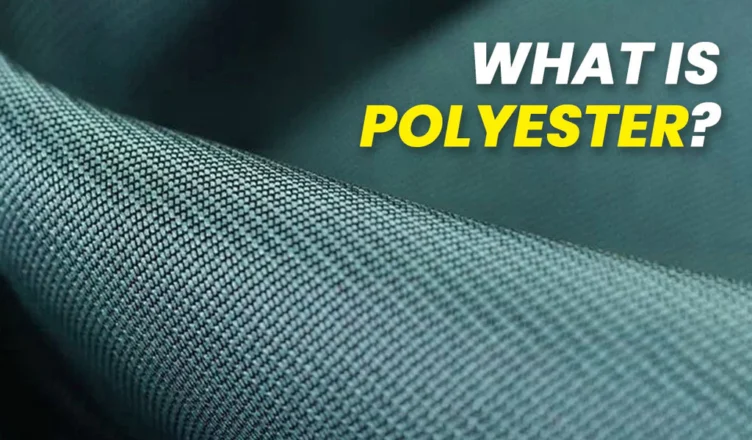
What Is Polyester Fabric? A Complete Guide to Its Features and Uses
When people ask, what is polyester fabric, they are referring to one of the most widely used synthetic materials in the textile industry. Polyester fabric is made from petroleum-based fibers, typically derived from a chemical reaction involving ethylene glycol and terephthalic acid. These components form a polymer that is spun into fibers and then woven or knitted into fabric. Known for its durability, affordability, and versatility, polyester has become a staple in modern clothing and home textiles.
To better understand what is polyester fabric, it is important to look at its origin and development. Polyester was first introduced in the mid-20th century and quickly gained popularity due to its strength and resistance to wrinkles. Unlike natural fibers, polyester does not rely on agricultural processes, which allows for consistent production and availability. Over time, advancements in technology have improved the texture and comfort of polyester, making it more appealing to consumers.
Properties of Polyester Fabric
A key part of answering what is polyester fabric lies in its unique properties. One of its most notable characteristics is durability. Polyester fibers are strong and resistant to stretching and shrinking, making garments long-lasting. This is why polyester is commonly used in activewear, uniforms, and everyday clothing.
Another important feature when discussing what is polyester fabric is its resistance to wrinkles. Unlike cotton or linen, polyester maintains its shape even after repeated washing. This makes it a low-maintenance option for people who prefer easy-care fabrics.
Polyester is also known for its moisture resistance. While it does not absorb water as effectively as natural fibers, it dries quickly, making it ideal for sportswear and outdoor clothing. Additionally, polyester can be engineered to wick moisture away from the body, enhancing comfort during physical activities.
Types of Polyester Fabric
To fully understand what is polyester fabric, it is helpful to explore its different types. There are several variations depending on how the fibers are processed and blended.
Microfiber polyester is made from extremely fine fibers, resulting in a soft and smooth texture. It is often used in cleaning cloths, upholstery, and lightweight garments. Textured polyester is designed to mimic the feel of natural fibers, offering improved comfort while maintaining durability.
Polyester blends are also common. By combining polyester with cotton, wool, or spandex, manufacturers create fabrics that offer the best qualities of each material. For example, a cotton-polyester blend provides breathability along with wrinkle resistance.
Recycled polyester is another important type. Made from plastic bottles and other recycled materials, it offers a more sustainable alternative. This innovation highlights how the definition of what is polyester fabric continues to evolve with environmental considerations.
Uses of Polyester Fabric
Understanding what is polyester fabric also involves examining its wide range of uses. In the fashion industry, polyester is used to create shirts, dresses, jackets, sportswear, and even formal wear. Its versatility allows designers to experiment with different textures and finishes.
In home furnishings, polyester is commonly found in curtains, upholstery, carpets, and bedding. Its resistance to fading and wear makes it ideal for items that require durability. Polyester is also used in industrial applications, including ropes, conveyor belts, and insulation materials.
Another important use is in outdoor gear. Tents, backpacks, and rainwear often incorporate polyester because of its strength and resistance to environmental factors. These applications demonstrate the practicality of polyester in everyday life.
Advantages of Polyester Fabric
When evaluating what is polyester fabric, its benefits are clear. One of the main advantages is affordability. Polyester is generally less expensive to produce than natural fibers, making it accessible to a wide range of consumers.
Durability is another major benefit. Polyester garments can withstand frequent washing and wear without losing their shape or color. This makes them a cost-effective choice for long-term use.
Polyester is also highly versatile. It can be manufactured in various weights, textures, and finishes, allowing it to be used in everything from lightweight clothing to heavy-duty industrial materials. Additionally, it holds dye well, resulting in vibrant and long-lasting colors.
Disadvantages to Consider
Despite its many benefits, discussing what is polyester fabric would be incomplete without mentioning its drawbacks. One common concern is breathability. Polyester does not allow air to circulate as freely as natural fibers, which can make it less comfortable in hot weather.
Another issue is environmental impact. Since polyester is derived from petroleum, its production relies on non-renewable resources. Additionally, polyester is not biodegradable, meaning it can contribute to long-term waste. However, the development of recycled polyester is helping address these concerns.
Static buildup and odor retention can also occur with polyester fabrics. These issues can often be minimized with proper care and fabric treatments.
Polyester Fabric in Modern Fashion
In today’s fashion industry, polyester continues to play a significant role. Designers appreciate its adaptability and ability to mimic the appearance of natural fabrics. Whether used in high-performance sportswear or stylish everyday clothing, polyester offers a balance of functionality and aesthetics.
When people ask what is polyester fabric in a modern context, the answer includes innovation and sustainability. Advances in textile technology have made polyester softer, more breathable, and more environmentally friendly. Recycled polyester, in particular, is gaining popularity as brands seek to reduce their environmental footprint.
Care and Maintenance
Proper care helps extend the life of polyester garments. Most polyester fabrics are machine washable and resistant to shrinking. They should be washed in cool or warm water and dried on low heat to maintain their quality. Ironing is usually not necessary due to the fabric’s wrinkle resistance.
Understanding care requirements is another aspect of what is polyester fabric, as it highlights the convenience that makes this material so popular among consumers.
Conclusion
So, what is polyester fabric? It is a synthetic textile made from petroleum-based fibers, known for its durability, affordability, and versatility. From clothing and home furnishings to industrial applications, polyester has become an essential part of modern life.
While it has some limitations, ongoing innovations are improving its comfort and sustainability. By understanding what is polyester fabric, consumers can make informed decisions about their textile choices. Its combination of strength, practicality, and evolving technology ensures that polyester will remain a key material in the textile industry for years to come.