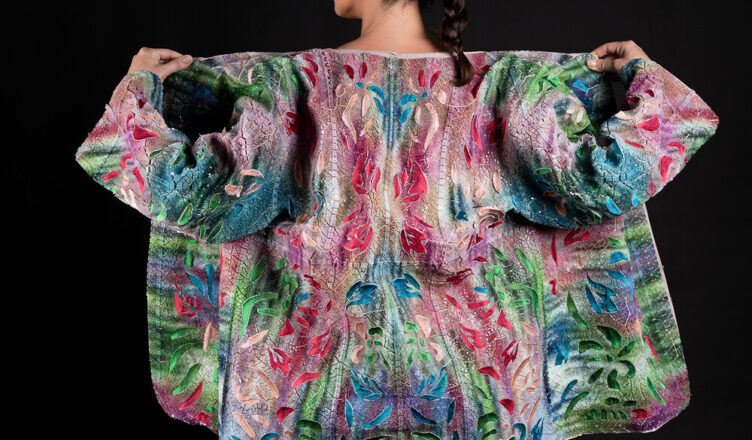
The intersection of textile manufacturing and artistic design, often described as the point “where fabrics become fashion,” is a complex, deeply technical, and highly creative process that transforms raw materials into wearable art. This journey is not merely about stitching pieces together; it is a collaborative, innovative endeavor bridging fiber science with human expression. As of 2026, this process is undergoing a revolution driven by sustainability, digital technology, and a renewed appreciation for material authenticity.

I. The Journey: From Fiber to Fashion
The transformation of raw materials into a finished garment is a multi-stage process requiring high precision.
1. Fiber and Material Selection
The journey begins with the selection of raw materials, which dictates the performance, feel, and sustainability of the final garment. While cotton remains a cornerstone for its comfort, 2026 forecasts show a heavy lean toward eco-friendly alternatives, including recycled polyester, hemp, and innovative bio-engineered materials.
The journey begins with the selection of raw materials, which dictates the performance, feel, and sustainability of the final garment. While cotton remains a cornerstone for its comfort, 2026 forecasts show a heavy lean toward eco-friendly alternatives, including recycled polyester, hemp, and innovative bio-engineered materials.
- Innovations: Regenerated cellulose fibers like Tencel™ (lyocell) are in high demand for their softness, breathability, and closed-loop production.
- Emerging Trends: Mycelium (mushroom-based) leather and fruit-waste fabrics are transitioning from experimental concepts to luxury and high-fashion staples.
2. Designing and Engineering the Fabric
Modern designers often start by collaborating with fiber engineers rather than just selecting pre-existing fabrics. The “hand” (tactile feel), drape, and structural stability of the material are scrutinized to ensure they align with the design vision.
Modern designers often start by collaborating with fiber engineers rather than just selecting pre-existing fabrics. The “hand” (tactile feel), drape, and structural stability of the material are scrutinized to ensure they align with the design vision.
- Texture & Structure: Three-dimensional jacquards and intricate knitting techniques allow fabric to have built-in structure, reducing the need for heavy linings.
- Performance Engineering: Fabrics are engineered to be hydrophobic, antibacterial, or thermo-regulating, adding functionality without sacrificing aesthetic appeal.
3. The Cutting Process and Waste Reduction
Once the fabric is selected, CAD (Computer-Aided Design) systems are used to create markers for cutting. In 2026, minimizing waste is critical. High-precision laser cutting is used to maximize fabric utilization, with advancements focusing on achieving zero-waste through efficient pattern placement.
Once the fabric is selected, CAD (Computer-Aided Design) systems are used to create markers for cutting. In 2026, minimizing waste is critical. High-precision laser cutting is used to maximize fabric utilization, with advancements focusing on achieving zero-waste through efficient pattern placement.
4. Stitching and Assembly
The cut components are assembled, where the technical expertise of the operator is crucial to ensuring that the drape designed on paper is maintained in the final, three-dimensional garment.
The cut components are assembled, where the technical expertise of the operator is crucial to ensuring that the drape designed on paper is maintained in the final, three-dimensional garment.
5. Finishing and Embellishment
Finishing, such as dyeing, printing, or washing, enhances the fabric’s beauty. Modern finishing technologies like AIRO®24 are used to give fabrics a unique, soft hand feel and a “luxury look,” even for sustainable textiles.
Finishing, such as dyeing, printing, or washing, enhances the fabric’s beauty. Modern finishing technologies like AIRO®24 are used to give fabrics a unique, soft hand feel and a “luxury look,” even for sustainable textiles.
II. The Fabric-Fashion Relationship: 2026 Trends
In 2026, the relationship between fabric and fashion is characterized by a “calm confidence”—a move away from fast-fashion toward lasting, thoughtful design.
- Linen and Hemp Revival: These materials are celebrated for their raw, natural texture and environmental friendliness, supporting the “slow luxury” trend.
- The New Denim: Denim is no longer just for casual wear; it is being paired with luxurious fabrics like silk, or used in structured, tailored pieces.
- Velvet and Satin: These are used with restraint to add depth or softness, appearing in, for example, a single panel or a blouse rather than a full garment, enhancing the versatility of the collection.
- Smart and Interactive Textiles: The convergence of technology and fashion has resulted in e-textiles with integrated sensors or color-changing properties.
III. The Role of Sustainability and Technology
“Where fabrics become fashion” is increasingly becoming synonymous with “where technology meets responsibility.”
1. Sustainable Innovation
- Recycled Polyester 3.0: Advanced chemical recycling is allowing old polyester to be broken down and reconstructed, shedding fewer microplastics and providing a softer, higher-performance material.
- Regenerative and Bio-based: Designers are using seaweed and algae-based fibers for their skin-friendly, anti-oxidant properties and low carbon footprint.
2. The Digital Transformation
- Traceability: Blockchain-based digital product passports are now common, allowing consumers to scan a QR code to see the entire, transparent production journey of their garment.
- Artificial Intelligence (AI): AI is used to predict trends, optimize fabric usage, and suggest innovative material combinations.
IV. The 2026 Designer’s Perspective: A Holistic Approach
Today, the designer is not just an artist, but also a scientist and an ethicist. The selection of fabric is no longer just a, “Will this look good?” question, but a, “Where did this come from, how was it made, and how will it be recycled?” question.
- Understanding Fabric Behavior: Successful designers test fabrics for drape, stretch, and shrinkage before finalizing designs.
- Versatility: Fabrics that can transition between formal, casual, and athletic settings are preferred to promote a more capsule-wardrobe approach to fashion.
V. Conclusion
Where fabrics become fashion is a dynamic, evolving space. As the industry moves into 2026, the focus has shifted from mere aesthetic, high-volume production to a more considered, sustainable, and technologically advanced approach. Fabrics are chosen for their ability to tell a story—whether that is a story of environmental responsibility, technological innovation, or a return to artisan craft. Ultimately, the successful conversion of fabric to fashion lies in the seamless blending of raw, natural, or innovative materials with artistic, purposeful design, creating pieces that are not just beautiful, but also enduring, comfortable, and conscious of their impact on the world.